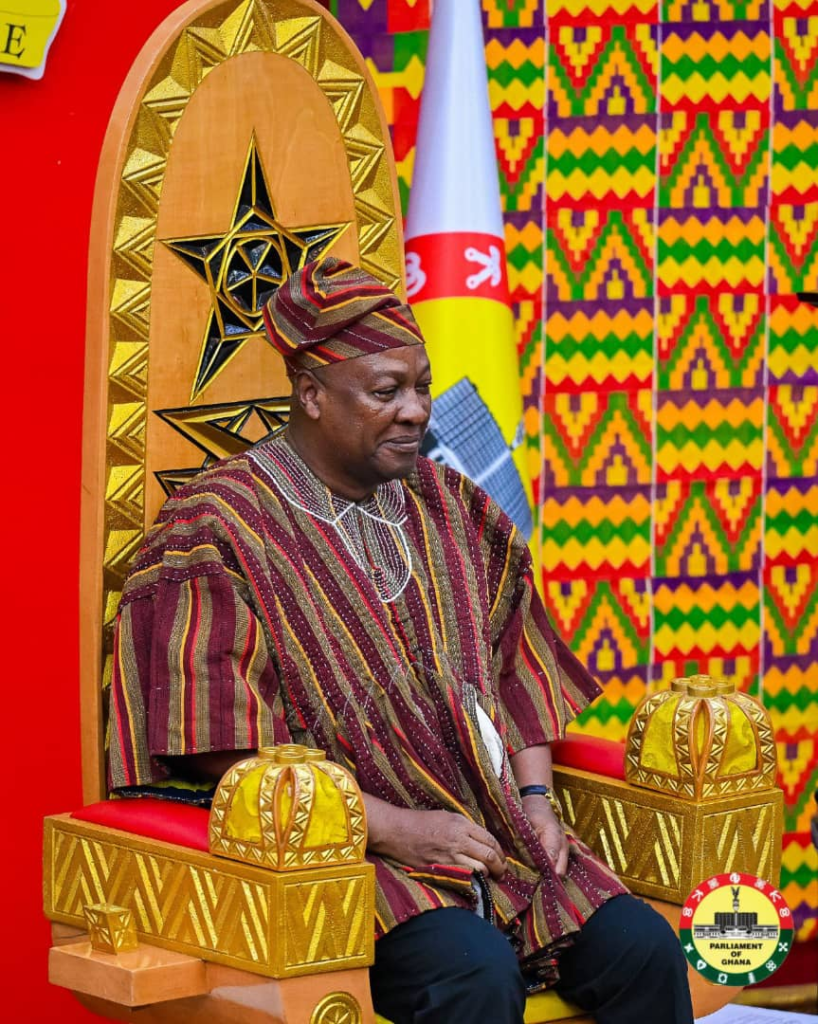
On 27th February, 2026, the President of the Republic of Ghana – John Dramani Mahama delivered the State of the Nation Address 2026 (SONA 2026). This SONA covering economic, social and financial state of a nation under Article 67 of the 1992 Constitution, was basically for the President to abreast nationals on the perspective end of his services throughout his occupancy as a public servant to the state.
First and foremost, during this address, Prez Mahama stated that his journey as a public servant throughout the public service was a rollercoaster ride; emphasizing the unpredictable ups and downs he encountered as a leader, including; the steady progresses, setbacks and the determined recovery he adopted to overcome these challenges. According to the President, this pattern of resilience on his part as a leader mirrored the angle of the nation’s progress been witnessed, today. He identified samples like the redefined phase of the nation which is currently achieving a rebound national renewal and a restored hope among citizens. Also, he stressed that this moment of relief, cheerfulness that is been experienced among the general public, are as a result of the shaped hard choices, institutional resolves, renewed commitments, he and his subordinates made to ensure a stable and smooth national progress of Ghana.
Furthermore, Prez Mahama mentioned that, coming 6th March 2026, Ghana is going to celebrate 69 years of being independent as a nation themed; “Building Prosperity, Restoring Hope”. This theme he said is not merely ceremonial, but a blue print to guide the country’s administration visions and actions and to reflect the route or track records of its history including the faced challenges it experienced, and how leaders have confidently continue to declare a good direction of renewed stability and national purpose. He also acknowledged that, at the heart of these visions his administration had managed to establish the following reinforcing agendas:
- The Resetting Ghana Agenda and
- The Accra Reset.
He informed that The Resetting Ghana Agenda which is part of his vision is simply, a national commitment to restore economic stability, rebuild public trust in democracy, strengthened government institutions and to deliver tangible improvements in the lives of Ghanaian citizens. Whilst, the Reset which is second on the list of his visions, is also about turning the page of years in mismanagement and confronting challenges with honesty. That is to say, this vision is about revamping a new phase of anchored discipline, transparency and sustainable developments among leaders and public servants.
He mentioned that, the Accra Reset is a continental commitment to recognize that Ghana’s prosperity cannot be separated from Africa’s progress. In other words, the Accra Reset is to call for a fundamental shift on how African nations relates to one another and the world at large. Especially, in terms of living from dependence to self-reliance, from fragmentation to integration and from reactive postures to strategic leadership. These two agendas according to the President, are deeply interlinked, because, there is no way one can build a lasting prosperity at home without necessarily contributing to stability and growth across the continent. That is to say, there is no way the world including Africans can live effectively at the continental stage, if the homes at which we live respectively, are always disorderly. For that reason, he mentioned that these frameworks are basically to demonstrate the determination of his government to restore hope among citizens in reality; and not to be merely seen as a promise or theories delivered.
The Need for Africans To Be Independent And Self-reliant
During the speech, President Mahama mentioned that, since his administration was determined to build on these foundations laid in 2025; so far, they have been able to accomplish many with clarity of purpose, unity of action, whereby, citizens now believe in their confidence and abilities to deliver a future worthy of sacrifices and aspirations. Noting that, this moment of national renewal that has unfolded, has in a way caused backdrops against a world of profound flocks in which, global order has also been rapidly reshaped. This is because, the “so called rule based international system”, which endures only when it protects the advantages of those who designed it, has now however, been reshaped. Considering the fact that during its existence; emerging countries like Ghana, initially could not operate within this same rules to rebalance their power, because, the architects of those rules had always proven willing to relax their commitments whenever Africa nations are involved; making Ghana and many nations to learn from this hard truth, hence forward.
He added that, Ghana on the other hand, will not also continue to respond to this new reality with fragmentation, hesitation or continued dependence from any other countries. Since from historical basis, the country was long taught the importance of resilience and prosperity of not to be handed over, but must deliberately build itself through cooperation, self-believe and strategic alignment. That is to say, this era ahead, has made Africans move from a posture of dependence to a one or collective self-reliance.
In line with this, the President as well informed that, Ghana played a convening and catalytic role on the continent; where in the middle of last year in Accra for instance, the country managed to host Africa Heads of State, Policy makers and development partners for a landmark held as a Sovereignty Summit. During this gathering or engagement, he mentioned that discussions centered on new roadmap for healthcare financing and collaboration among Africa nations where a clear focused message was that – “Africa must take ownership of its health security, pull its own resources by deepening collaborations to design financial solutions that also reflects realities rather than external prescriptions”. Again, the President added that “Strong economy requires healthy population; and health sovereignty will always be inseparable from an economic sovereignty”. As such, that same logic must be applied by Africans in terms of their trade, industry and economic growth. Since the only way, Africa’s future can be seen as bright, is when they dismantle artificial borders, remove bottlenecks that stifle progresses and fully activate a common market to allow all goods, services, capital and ideas move freely across the continent. No single Africa country, no matter how well-endowed they are can thrive alone in this new global environment. Therefore, there is the need for unity to be emboldened among African Nations and its leaders so that, their combined markets, youthful population, natural resources, and creativity will always constitute as one of the greatest economic opportunities of this century. Africa must summoned the courage to shape its own destiny by building generate sovereignty across its continent, he urged.
Again, he stated that the global south of Africa requires a deliberate and discipline plan that can unlock immense human and the creative potential of young people to strengthen regional value shares, and to also add value to already existence produce. Stating that, the global south is required to mobilize domestic capital, finance its own development and by speaking with single coordinated and confident voice during global affairs. Since these mentioned, will assist Africans move from promise to power, from participation to leadership and from dependence to self-reliance. Indeed, the results in this direction will also create a clear path forward for Africans to arise in confidence, unity and purpose at the global stage, always, he encouraged.
According to the President, Ghana on the other hand, is also ready not only to rebuild its home but to also work hand-in-hand with other African countries to shape a future that is defined by shared strength, dignity and prosperity, whilst also protecting its sovereignty. Ghana is so determined to cooperate with fellow Africans in designing policies that can place its people first or at the center of economic developments; of which, it will as well continue to engage with the world, but on terms that will reflects its interest and uphold global norms without outsourcing judgment or verdict. Ghana will forever be ready to ensure that it builds resilience at homes so that, shift in external power will have no way to translate into hardships for its citizens, he stated.
The Economic Factor
Apart from this, Prez Mahama recalled his resuming to office, been met with huge debts accumulated down under the previous government across all facets of the national sectors. Where he lamented that, his government inherited an economy in a severe crisis including burdened of unsustainable debts, high inflation, a rapidly depreciating currency (CEDIS) and an escalating cost of living among citizens, which many were left in an unimaginable hardships caused by years of general imprudence and reckless management, under the previous government. He also addressed that, he knew recovering from this crisis would be strenuous but he was very determined and resolute to bring relief on the Ghanaian people and to fulfill the promise he made during his campaign of returning Ghana to a path of growth, progress and development through the Reset Agenda.
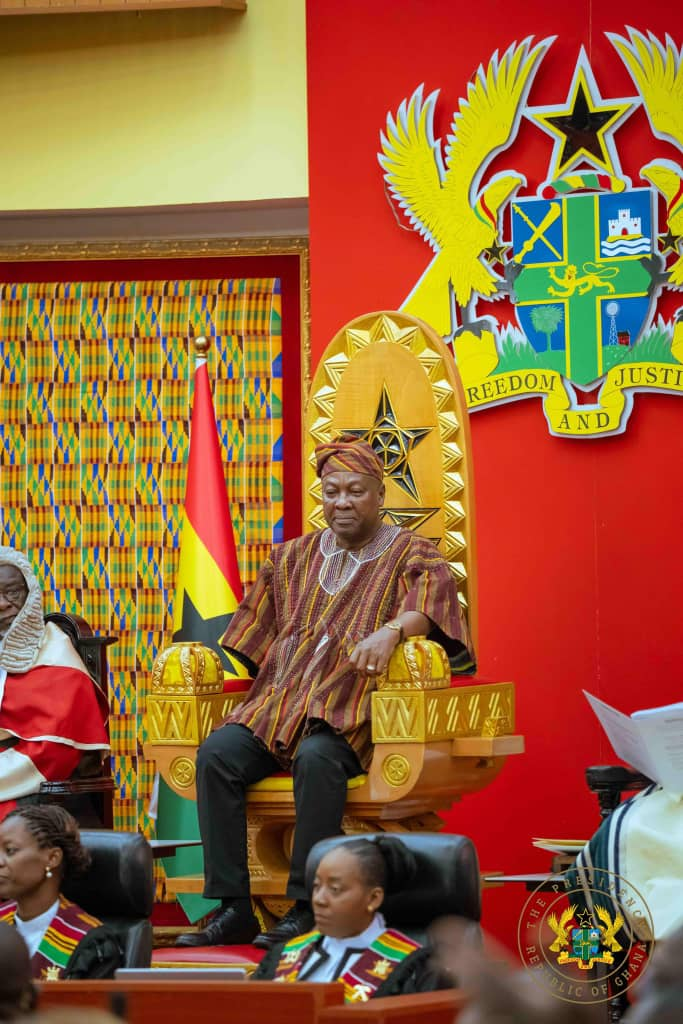
Today, he proudly stated that through prudent and necessary decisions taken towards stability and credibility under his government, Ghana is now developing in all spheres of its national sectors with the fundamentals also improving and a clear path of sustainability achieved. He underscored this progress under his government as chosen discipline over waste, reform over excuses and stability over speculation. That is to say, as a responsible government he was, he has been able to halt all economic hardships or monetary bleeding that was been experienced among citizens and have currently restored order in the public finances; where his administration are set to tightened the expenditure and commitment controls under all sectors. Aside that, his government has also managed to improve payable reporting, conducted a comprehensive audit of 2024 commitments and had restored credibility and discipline; of which these measures have also led to a remarkable economic outcomes in decades.
Furthermore, he stated that, as Ghana is approaching to celebrate its 69years of Independence, he is aimed to also achieve renewed hope for the future and to build prosperity with sound policy, responsible governance and inclusive growth for all. Again, he asserted that good leadership makes a measurable difference in the minds and hearts of the Ghanaian people; as a result, his administration will continue to live up to expectation, build a legacy, and will ensure to create beautiful memory in the hearts and minds of every Ghanaian.
Prez Mahama stated that the Resetting Ghana Agenda and Accra Reset so far, is working and gaining momentum and together, these two Agendas are laying foundations for stronger, more resilience and more prosperous Ghana. “The nation is on the run way and in take-off mood to prosperity, therefore, all is advised to fasten their seatbelts,” he urged.
Following this, he stated that the economic transformation journey under his watch has not only been theoretical or inspirational but has been tangible and evident in the country’s finances. For instance, on the aspect of Ghana’s Gross Domestic Product (GDP); he mentioned that, there has been an achievement of USD 30billion GDP, compared to 2024. That is, in 2024, Ghana’s GDP was USD83billion whilst in 2025, the Ghana’s GDP was USD113billion; a difference of about USD 30billion compared to 2024. This according to the President had placed Ghana among the top 10 largest economies in Africa. Also, the average GDP growth for the first three quarters of 2025 was reported as 6.1%, but since growth means nothing without discipline, the country currently has also primary surplus reaching 2.6%, a percentage far exceeding the targeted 1.5% his government estimated. The fiscal deficit also for 2025 according to the President was closed at 3.1%, a percentage well below the projected 3.8%. This is not prudent governance but promise keeping which has benefited households and businesses because government borrowed less, spent more responsibly and had created a fall in interest rate and a return of confidence in private businesses, he stated.
From the President, 19th December, 2022 will always go down as one of the darkest days in Ghana’s economy history. This is because on that day, Ghana was declared as incapable to honor its debt obligations; under the previous administration, which debt default was what was declared for the country then, with a moratorium also placed on both domestic and foreign debt repayment. Consequently, the country was informed to have incurred a protracted and complex debt restricting processes hindering its economic progresses and dragging its nationals down into hardship and despair. However, currently, the interim review of the country’s restructured debt profile depicts that, the President’s administration have confronted the crisis with action and not rhetoric since they have established sinking funds, restructured obligations and pursued bilateral agreement to pay all these largest debts the country incurred (a debt which was previously scheduled for repayment between the period of 2025 and 2028). These actions according to the President have made public debts fall by GHS82.1billion and have taken the country’s debt of GDP from 61.8% to 45.3%; which is one of the sharpest reductions of debts in the country’s history.
Again, Prez Mahama emphasized that, just within this year on 2nd January, 2026, his government settled USD709million for Eurobond which was also ahead of the scheduled date and had made the country to complete US 1.4billion debts service meant for 2025. These interventions from the President have cause the world credit rating agencies like Moody’s Investors Service, Fitch Ratings, Standard and Poor Global Ratings etcetera, to notice the developments in Ghana and have upgraded the country’s credit ratings as; a very first triple upgrade of in many years.
Inflation
Prez. Mahama addressed that, Ghana’s credibility although restored, the country rising high inflation rate back then, was one of the heaviest burden his administration has inherited. Since before they came into office, high inflation was silently eroding every household purchasing power at a rate of 54.1% in 2022; but got declined to 23.5% by the end of 2024. However, his administration had managed to treat this challenge with urgency and necessary actions through fiscal consolidation, currency stabilization and discipline monetary policy for the high inflation rate to now drop to 3.8% over 13 consecutive months in January, 2026. Interestingly, he added that, food inflation which was and had been the main catalyst for these high inflation rates, surprisingly have also fallen by 26.6%; whilst locally produced goods fell by 22.6%. Additionally, fuel prices like petrol, has also fallen from GHS15.2 to GHS10.7 per litre, where even recently, it further dropped to GHS9.97 per litre. Diesel on the other hand, has also fallen from GHS15.4 to GHS11.3; bringing a big relief on 3.7million car owners and the tens of millions of Ghanaians who also depend on transport daily.
Currency stabilization
On the aspect of Exchange Rate in making the Cedi stabilize, Prez Mahama stated empathetically that, his administration did not arrest any dollar but they strengthened the CEDI by putting up a good fight against the other currencies. In other words, they developed actions to ensure that Ghana’s currency isn’t continually dropping but fully competing with other currencies to the maximum. In which results are that, Cedi is currently been appreciated at 40.7% against US dollars, 30.9% against British pounds and 24% against Euro.
From the President, Ghana’s economic turnaround is broad based and comprehensive; which all sectors of Ghana’s economy have witnessed the remarkable improvements of his administration first year in office. More importantly, the country’s economy has surpassed the 100billion mark for the first time in history; and the upgrade is said to project and place Ghana among the top 10 largest economies in Africa. Currently, Reserves for the country also stands at USD13.8billion; that is an increase from previous USD8.9billion at the end of 2024, and this is said to cover over 5.7months of imports.
Ghana Gold Board’s Contributions to the Economy
The President announced that, a key driver or primary factor for this sharp upgrade and development has been the establishment of Ghana Gold Board; an institution whose mandate are to formalize gold exports and so far, this institution established, have been able to reduce gold smuggling and have increased recorded exports in the Artisanal and Small-Scale Mining sector from 63.6 tonnes to 103 tonnes; making the country to channel these foreign exchanges into the economy, for nationals to witness the betterment today.
Moreover, he stated that when Ghana cedi stabilizes, imported inflation falls, businesses plan better and household income also improves. For that reason, as global uncertainty grows, there is the need for Ghana to reduce its exposure to external shocks and break the cycle of economic down turns and safeguard the macro-economic stability. Again, as these reforms may sound necessary, the President indicated that the recent presented Ghana Accelerated National Reserve Accumulation Policy in Parliament by the finance minister – Cassiel Ato Baah Forson on 25th February, 2026, is so simply seeking to:
- Strengthen the country’s external resilience by increasing its national reserves to 15 months of imports cover by the end of 2028.
- Support long term structural transformation whilst safeguarding macro-economic stability.
However, it is forecasted that Gold prices will always remain high over the next three years and so, this strategic policy by the Finance Minister, is basically to present a unique opportunity to build an economic watchers, withstand any global economic shocks and eventually also secure the country’s macro-economic stability that can improve the standard of living among citizens and build a lasting prosperity for future generations, as well.
Taxes Abolishment
President Mahama addressed that under his administration some nuisance taxes that were levied on Ghanaian citizens between 2017 and 2024 have all been abolished including E-levy, betting tax, emission tax, covid-levy and many others. Again, the Value Added Tax (VAT) currently under his government have also been reformed comprehensively through the abolishment of the 1% covid-19 levy, decoupling of GETfund and NHIL, reduction of the effective VAT rate from 21.9% to 20%, raising of the VAT threshold to GHS750, 000 which exclude small businesses and extends zero ratings on textiles up to 2028. These physical reforms from the President have effectively put GHS6billion back into the pockets of Ghanaians.
Moreover, according to the President, interest rate has fallen from above 30% to currently between 18% and 20%, which have freed up credit for businesses and households. Again, the Ghana Statistical Services (GSS) has also explained that this initiative had caused over 1million Ghanaians to find employment between quarter one and quarter three of 2025 whilst also 950, 000 Ghanaians have escaped multi-dimensional poverty over this same period. Findings are that Ghana’s external positions have strengthened significantly, which during December, 2025; the current account under this statistics, recorded a surplus of GHS9.1billion representing 8.1% of Ghana’s GDP. A remarkable increase from the 1.5billion or 1.8% of GDP in 2024 and this achievement or increase remittance inflows, are driven by robust Gold, Cocoa and the non-traditional exports. As a matter of fact, these improvements have demonstrated that Ghana’s economy is gaining strength and resilience one more time on the global stage. Since, government has focused on moving decisively from planning into action on their flagship – 24-Hour Economy and Accelerated Exports Development Program.
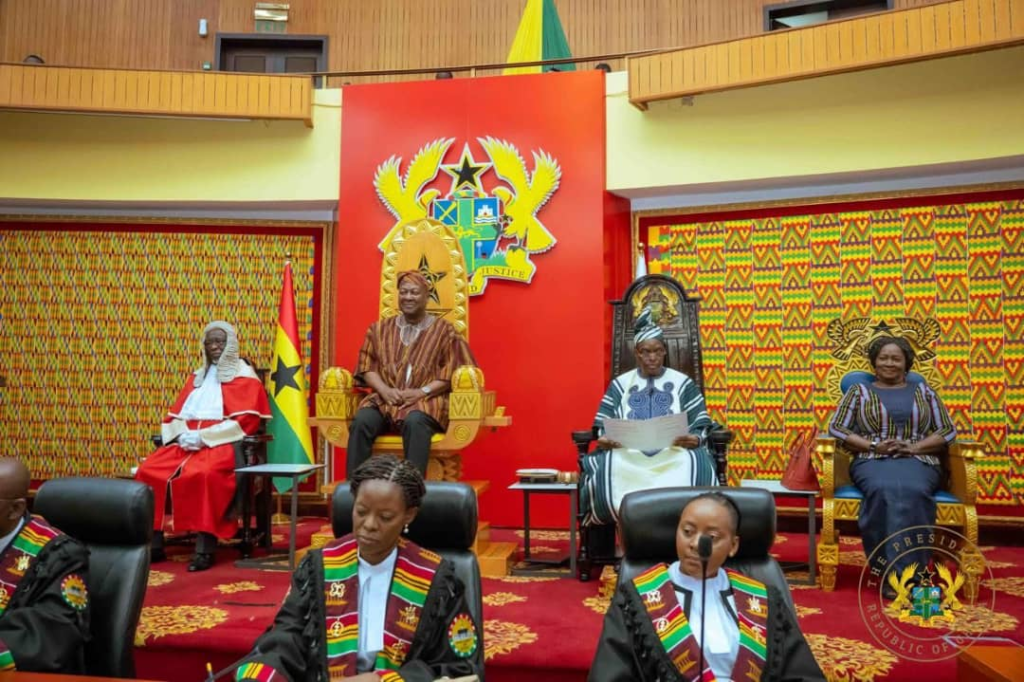
Rationale behind 24-Hour Economy Authority
From the President, the 24-Hour Economy Authority Bill which was passed into law by Parliamentarians on 6th February, 2026, is a transformative initiative launched and designed in 2025 to:
- Unlock round the clock economic activity.
- Deepen value chains across key sectors.
- Boost Productivity and support export growth.
- Create quality jobs in Agriculture, Manufacturing, logistics and Services.
Meanwhile, actualizing these above transformative initiatives under the bill, the President appreciated Parliamentarians for passing it and informed that the establishment of this framework has given legal mandate necessary for its full implementation. Also, the signing of this legislation by him during the cabinet meeting held, have stimulated a sense of drive in his administration to begin the operationalization of this law; where currently, his government has even allocated GHS110million to setup the implementation of this initiativeand added that, resources under this 24-Hour Economy Authority, will therefore enable business to:
- Operate beyond traditional business hours.
- Attract investments through strategic partnerships with the Development Bank of Ghana and the Ghana Infrastructure Investment Fund.
- Strengthen foundations for sustained growth and job creation especially for the youth or young ones.
Notwithstanding, the 24-Hour Economy Authority will go a long way through concrete actions to build prosperity and restore hope for the Ghanaian people. “A nation that does not learn from the past mistakes cannot get out from cycle of problems that impose hardships on its citizens”, he addressed.
Cocoa Crisis
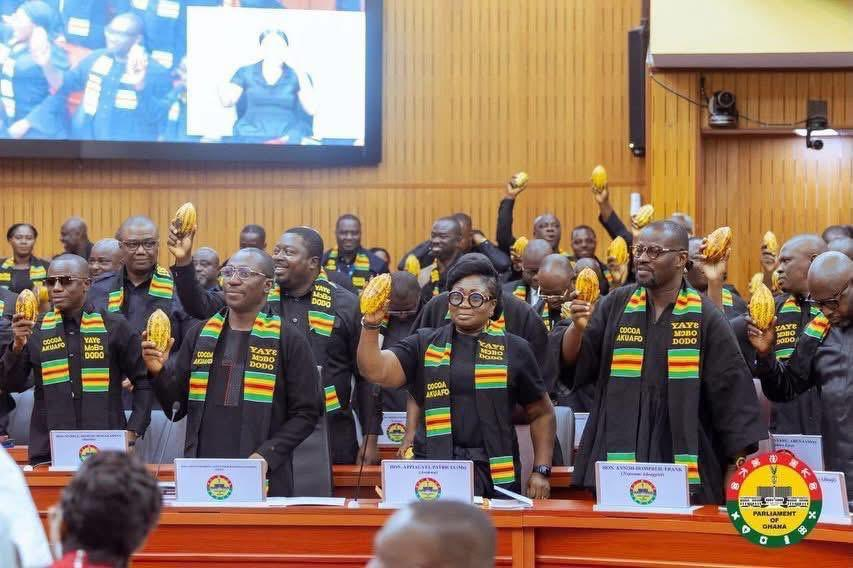
Prez. Mahama informed that the country has just emerged from the most devastating economic crisis in Ghana’s recent history. According to him, this crisis were triggered by general financial indiscipline, huge deficit and massive debts that were occasioned by the persistent unbudgeted expenditure to meet ends of political convenience; which have recently, caused his government or administration to take necessary but painful decisions and actions to revise the producer price of cocoa, in order to achieve competitive pricing and to resolve the acute liquidity challenges emerging in the sector. Also, he address that failure on his government part to have done this like the previous administration did, to have left a debt of GHS32billion for his government to repay now, would have caused his administration to also borrow billions in borrowed funds as well, to curb the situation. Adding that, such unplanned expenditure was what his government decided and attempted to prevent for the Ghanaian people. Else, Ghana would have gone back to the same devastating economic crisis the previous government put the country through.
However, he assured members that, whilst he fully understands the plight and protest of cocoa farmers, these reforms announced by his government will generate positive transformation under the cocoa sector and guaranteed them that, a fair and transparent price which can enable them meet the cause of producing the cocoa and making descent margins, will be achieved. “The difference between economic hardship and avoiding the same; is the exercise of sound economic judgment”, he proclaimed. Therefore, he is determined to take every necessary decisions, steps or actions to ensure a collective wellbeing in avoidance of sufferings among all citizens.
State Owned-Assets
Under State Owned-Assets, President John Dramani Mahama informed that, his government will soon introduce a legislation or law to tighten or secure procurement processes by banning sole source contracts except in exceptional circumstances. In other words, his government is about to bring in a law that can prevent or ban individuals or people from acquiring government properties like buildings, lands, infrastructures etcetera; whereby, violators will severely and duly be apprehended. Again, law or legislation will be introduced to make it mandatory for all to seek parliament prior approval before any government or state properties is sold or leased out. That is – land and state owned-enterprises.
Prez Mahama also informed that, he instructed the Minister for Finance – Cassiel Ato Baah Forson on 24th February, 2026 to lay before Parliament the Value for money office Bill; which he termed it as a landmark measure and a fulfillment but yet another campaign promise to the people of Ghana. Addressing that, this initiative is designed to decisively end waste inflated contracts, abandoned projects and chronic cause overruns that have for far too long drilled and drained the public purse. All these measures are intended to improve public trust and accountability, he said.
The Energy Sector
The President asserted that his government in January 2025, inherited an Energy Sector which was at a precarious state and was precipitated by a severe financial crisis. According to the President, the sector was burdened with a staggering debt of GHS80billion and had threatened and stretched operational viability of key power producers. At the moment, the President informed that a $500million World Bank partial risk guarantee – a critical risk mitigation instrument established in 2015 under his tenure, to safeguard the nearly 8billion of private sector investment that was put into the offshore cape three points field, have currently also been fully drown down and exhausted under the previous administration, due to prolong non-payments for gases consumed.
Again, at the distribution level, the Electricity Company of Ghana (ECG) was plagued by high commercial and technical losses, collecting only 62% of the energy it purchased from generators and declaring less than 50% of these collections into the cash waterfall mechanisms. The results led the sector to experience severe liquidity shortfalls and power challenges throughout 2024. Whilst in the petroleum sector too, there were years of policy inconsistency, regulatory inefficiencies, lack of transparency, prolong licensing processes and unresolved legal disputes over field unitization; eroding investor confidence. Consequently, causing crude oil production to also decline by approximately 32% between 2019 and 2024; where, it fell from 71.4million barrels per day to 48.2million barrels per day. However, on 31st December, 2025 the government has fully paid and restored this entire 500million World Bank guarantee, including its interests and has reinstated the Energy Sector Facility in full operation, in which it has reaffirmed the country’s standing, as a credible and reliable partner on the global stage once more.
Additionally, between January, 2025 and December, 2025 through carefully coordinated actions, the president announced that his government had settled all outstanding gas invoices that were owed to ENI and Vitol amounting to approximately USD500million; making Ghana to be fully up to date with its gas consumption obligations to the Sankofa partners. Also, going forward, the President said that the 2026 Budget has made adequate provisions of timely payments for all liquid natural gases consumed.
Establishing this commitment to ensure equity and fairness, the President then said, he has held constructive engagements with Tullow Oil Company and Jubilee Oil Field Partners to reach a comprehensive roadmap to guarantee full payments for all gases consumed. As this approach will support reliable nationwide electricity generation and will accelerate industrial growth, guided by clear national vision to rapidly scale up domestic gas supply and reduce reliance on expensive liquid fuels.
Beyond clearing these inherited arrears, he also mentioned that, a robust framework has been established to strengthened and monitor the implementation of the cash waterfall mechanisms. The other major milestone he announced was the operationalization of ECGs to single handedly hold accounts, which are been overseen jointly under the Ministry of Energy and Green Transitions and the PURC (Public Utilities Regulatory Commission). These interventions have significantly also reduced revenue leakages and have enhanced ECG’s capacities to meet its payment obligations, he said.
In addressing this high source of Power, he explained that his government has successfully renegotiated existing power purchasing agreements with 9 independent power producers. In which the engagements have resulted in a 250million immediate savings and 1.1billion of legacy debts restructured for payments; between the period of 2026 and 2028. This revised agreement will also be submitted to cabinet and brought to Parliament for ratification, he informed.
Under the Rural Electrification Program, he also informed that 200 out of the 400 targeted communities have been connected to the National grid with a further 100 also being at the stages of completion. The national electricity access for Ghana as at today stands at 89.05% and his government is committed in ensuring every Ghanaian household has access to reliable and affordable electricity without constraints.
He stated that it is worrying seeing ECG experience continuous high power losses, where reports have indicated that around 25% of generated power are lost. To address this issue, he informed that adopting the private sector participation particularly in billing and collection will be the most effective way to significantly reduce these losses. In the multiple lists of concessions under the distribution utilities approved by cabinet, work is also set to implement these critical reforms, he said.
The BUI Power Authority on the other hand, has as well completed an additional 50megawatts of solar power. In which, in the distributors solar sector for instance; 30megawatts was achieved through roof top installations, bringing the total installed capacity to 250megawats of solar, representing 5% of renewable energy in the entire generation mix. Few months ago, I broke grounds for 200megawats solar power project at the Dawa Industrial Zone (an area within the Accra International Airport), with the first 100 megawatts scheduled for completion in December, 2026, he professed.
Moreover, the President informed that the Minister of Energy and Green Transitions – Hon. John Abdulai Jinapor is also constructing 35 mini grids to serve 47 Islands and lakeside communities in the Oti, Savannah and Bono East Regions. Jinapor’s Ministry is also supplying 12,000 new smart net meters from the end of the first quarter of this year, 2026. Meanwhile, under the off grids solar home systems for public institutions, delivery of materials for the first phase of 350 systems have already commenced. In other words, Public Institutions hence forward will have solar power fitted on their roof tops to reduce consumption. Also, he said that as part of the past mile electrification efforts to achieve 99.98% universal energy access by 2030, the energy ministry has mainstreamed many grids into the national electrification scheme. Consequently, a visibility study of the Afram Plains District was completed for 100 communities to receive solar power; bringing the total number of Islands and lakeside communities in the Afram Plains north and south to 150 that are ready for mini grid solar electrification. The African Development Bank has also committed to providing USD100million to fund the construction of renewable energy-based mini grids for these communities.
On the part of the Jubilee Field, a memorandum of understanding (MoU) has also been signed with partners to commit an extra USD2billion to the additional investment in the Jubilee field. These he said; will include drilling up to 20 new wells; that is the first new wells to be drilled in more than 9years now. The ENI and Vitol (OCTP – Offshore Cape Three Points) partners are also committing 1.5billion of additional investment in the OCTP field. These agreements significantly will increase Ghana’s Oil and Gas productions and thereby enhance its security, domestic demands and infrastructure developments along line, he stated.
Again, he also said Ghana is on course to revitalize its Cylinder Manufacturing Company through a strategic partnership with the National Petroleum Authority, Ghana Gas and the Ghana Commercial Bank. Since, this will boost production, ensure a steady supply of safe LPG cylinders and also strengthen local manufacturing techniques.
Tema Oil Refinery (TOR) Limited
President Mahama announced that the TOR has resumed its crude oil refining operations on 19th December, 2025, after several years of its inactivity under the previous government and that, the new management of this refinery has also successfully completed extensive turnaround maintenance, which since 2018, and for the first time, the refinery has now commenced processing of its crude oil into petroleum products again.
Thus, the general public should be reassured that his government will continue to strengthened reforms under the energy sector including its foundations to ensure a reliable and sustainable energy security for the people of Ghana.
Agriculture
Under the Agriculture for Economic Transformation Agenda, Prez Mahama also informed that since January, 2025, his government has embarked on a decisive reset of Ghana’s agricultural sector with the feed Ghana Program serving as the flagship vehicle for this implementation. The clear objective to restore food sovereignty, stabilize food prices, reduce imports dependence, increase descent jobs especially for the youth and to reposition agriculture as the strategic growth sector under the 24-hour Economy Authority so far, has also duly been accomplished under this agenda.
He elaborated that, as at January, 2025, food inflation rate stood at 28.3%; a fall from the unprecedented peak of 61% in January 2023, under the previous government. This situation back then according to the President, placed severe pressure on households and undermined national stability. Today under his government, food inflation has declined to 4.9%, providing a relief on Ghanaians and businesses. He announced that this year, his government committed GHS300million to the National Food Buffer Stock Company to boost up excess produce, to stabilize prices and to build a strategic national food buffer against emergencies; marking the first time in Ghana to deliberately built a food reserve for national resilience.
Over 413 institutions from basic schools through to tertiary institutions have also been registered and are actively participating in the Feed Ghana Program. These institutional farming that is currently been undertaken includes – the Ghana Armed Forces, Ghana Prison Service, the National Service Authority, Basic and Second Cycle Schools, Public Universities and the Faith-Based Organizations like churches and mosques, he announced.
Furthermore, Prez Mahama informed that Feed Ghana Program is firmly anchored on irrigation for wealth creation, where government is deliberately shifting agriculture from rain-fed dependence to irrigation-based farming in order to support year round production and strengthen climate resilience for farmers. He affirmed by saying that, for some months now processes have begun for these interventions, where construction of two new mega dams, the rehabilitation of 8 existing irrigation dams and the construction of 250 solar powered boreholes for farming communities and schools across the Northern belts and Brong Ahafo Region, have all been undertaken and established. In addition to these, major irrigation schemes including the VIA, Tanoso, Kpone, Ashaiman and Aveyime are equally also undergoing rehabilitation, he said.
Also, one new inland valleys covering 1300 hectares are been developed to expand rice production. Meanwhile, under the global agriculture and food security program as well, his government has managed to launch 20million agro distribution projects, to strengthen food and nutrition security; across the Northern and Savannah ecological zones; and so far, it is been implemented in 12 districts across 6 regions with a target of 50,000 farming households including 30,000 of women and youth. The effect of this project is to support the production of key staples such as maize, rice, soya bean, cowpea, groundnuts whilst also promoting year round vegetable cultivation through solar powered micro-irrigation schemes for farmers groups and selected schools. It is also supporting backyard and commercial poultry production as well as the distribution of fertilizer and certified seeds to participating districts. These interventions will help strengthen the poultry value chains and will modernize agricultural sector, said the President
Again, he stated that his government is also working to establish farmer service centers and procurement processes are underway for a total of 660 tractors, 400 combined harvesters and other agricultural equipment and implements. He also added that the first 11 farmers’ service centers will begin construction this year and his government will provide an affordable access to land preparations, harvesting storage, input supply, extension services and equipment leasing especially, for small holder farmers. In the next two weeks, I am going to cut sod for the first farmers’ service center in the Afram Plains, he informed.
From the President, agricultural extension will always remain a backbone of productivity and in addressing the current gap between farmers and the extension access his government has procured 540 motor bikes to improve extension coverage. Already, 150 of these bikes have been distributed and currently, his government is employing 400 Feed Ghana district coordinators nationwide whilst 10,000 young Ghanaians have also been enrolled under 4-year national service Agripreneural Program with annual absorption into permanent employment. So far, 3000 youth have been posted by the National Service Authority under this Agripreneural Program and this intervention is meant to strengthen frontline service delivery and creating employment opportunities for young people.
As at October 2025, he informed that 70,000 community commodity forecast farmers cooperatives, have been established nationwide and they are serving as platforms to access input mechanization services, climate advisory agrigation and firm market negotiation. He also stated that, his government is actively linking farmers to agro-industrial investment to stabilize prices, create jobs and accelerate Ghana’s journey towards food security. Again, a major highlight of this effort is the 154million Ghana-Italy Irrigated Commercial Farming Project meant to establish a 10,000 hectare irrigation module farm to produce rice, maize, soya and tomatoes. All these produce from this Project according to him, will be sold locally, and the intervention is a strategic one, designed to fast track progress towards food security, and to ensure a reliable supply of raw materials for agro-processing, which will eventually help assist the country’s dependence on food imports.
Additionally, he mentioned that some other key initiatives under this project include the construction of rice processing facility in the Upper East and Upper West regions, construction of poultry feed facilities in the Ashanti Region, Construction of cashew and onion processing facilities in the Bono East and a 40tone per day soya processing plant is also been established in Northern region. This particularly, is meant to support soya bean farmers and reduce their bean cost, he said. On the other hand, the share industry is also been revived through secured export contracts and measures to protect raw material supplies. In which currently, Ghana has launched a comprehensive poultry farm which comprises of 50 anchored or commercial farmers producing 4million birds, 500 SMEs producing 3million birds and the small scale of “nkok)kintenkinten” backyard poultry program that is targeting 3million birds nationwide with emphasis on women and young children. He recalled that, this initiative are to table the project along line reduce Ghana’s 300 to 400 million annual poultry bill.
From the President, already the “nkok)kintenkinten,” is in progress with 60,000 being the target to reach various households. He mentioned that, before he even launched this “nkok)kintenkinten,” 720 of these birds were distributed during the pilot phasing to 13,000 farmers in 12 districts. Also, he recently opened a poultry processing factory in Bechem to support the expected production growth in the poultry sector.
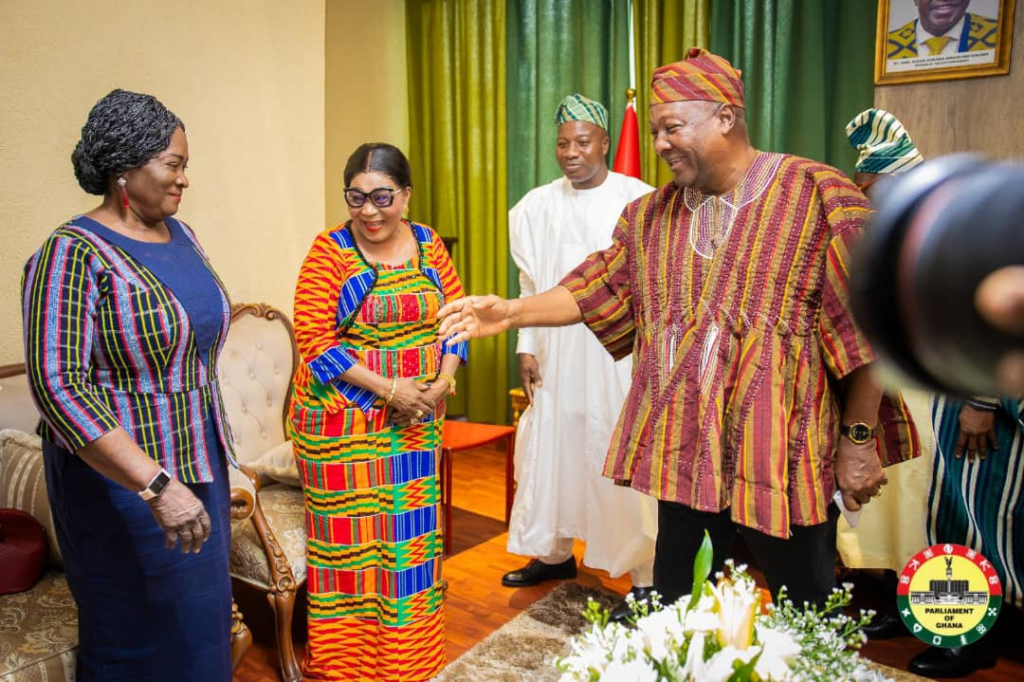
Education
On the part of Education, the President mentioned that, education is so crucial and will continue to remain pivotal to national transformation agenda. Stating that the year 2025 was very an unstoppable forward motion under Ghana’s education sector. That is, all the flagship initiatives and commitments by his government under the education sector have been faithfully honored during the year review. For instance, the “No Fees Stress Policy” have successfully been launched in Koforidua and so far, this initiative has benefited over 152, 000 young first year students in public tertiary universities. However, in 2026 this year, the number of young first year students that this initiative will benefit or reach, is projected to be 220,000; and in collaboration with Student Loan, law students in Ghana can now also access loans with Guarantors to pay their fees, whilst the Free Tertiary Education Policy for Persons with Disabilities (PWDs), has also been launched and currently, it is benefiting all eligible PWDs enrolled in tertiary institutions, nationwide.
Apart from this, President added that the 2025 academic year saw a stable uninterrupted supply of quality foods to all schools under the free senior high school program. In terms of deepening accountability and coordination in the education sector, His Excellency mentioned that several important pieces of legislations have also been passed; and these includes – Kwame Nkrumah University of Science and Technology Bill, 2025; The Ghana’s Scholarship Authority Bill, 2025; The Change of University Names Bill, 2025; The University for Development Studies Bill, 2025 and The Ghana Education Trust Fund Bill, 2025. In enhancing the private sector participation in the education sector, he informed that, new legislation will also be introduced to Parliament to ease regulatory bottlenecks and remove the requirement to chatter; in other words making it optional for Ghanaian students.
On the aspect of basic education, His Excellency also stated that basic education is one of the commonest medium that has assisted everyone in entering into the educational system. Thus, it is at this level children acquire the necessary and foundational literacy, numeracy, critical thinking and problem solving skills, upon which all future learning also depends. As a result, government has understood this importance in the basic sector and has therefore, undertaken an important major policy shift to rebalance the education investment in favor of basic education particularly, hence forward.
As part of these reforms, the President informed that a standard base curriculum for kindergarten to primary six (6) is currently undergoing review to incorporate robotics, coding and responsible integration of generative Artificial Intelligence (AI). Also, as part of this review, he added that AI education will be introduced at an age appropriate and developmentally sensitive with strong emphasis on ethical use, digital responsibility, critical thinking and human values.
However, in response to the persistent challenge of schools under trees, His Excellency said his government has programed a bold and decisive interventions for the 2026 financial year, which includes – the construction of 200 kindergarten blocks, 200 new primary school blocks, 200 new junior high schools nationwide; and that, adequate allocation has been done in the 2026 budget, already. Moreover, he added that his government has fully cleared all outstanding capitation grant arrears old to public basic schools and has also cleared all outstanding arrears of BECE exam registration subsides due to the West African Exam Council (WAEC); all for previous years.
He explained that education for learners with special needs is not for only a moral right but also a sound pragmatic investment that promotes equity and strengthens social cohesion. As a result, the amended GETFUND has established a dedicated, sustainable funding framework to implement free education for learners with special needs; which will begin in 2026 academic year. Meanwhile, his government has also increase the daily feeding grants for students in public special schools from GHS8 per day to GHS15 per day. This significant increment according to the President, is to reflect resolve to address the unique nutritional and health needs of learners with disabilities.
In addition to this, he stated that his government remains steadfast to construct modern state of arts special needs school at HO in the Volta region of Ghana, and such existing special needs schools in Akropong Akuapem will also be rehabilitated and upgraded. In fulfillment of their pledges, His Excellency also informed that 12.2million packs of sanitary pads were also distributed to girls in public schools across the country in 2025, as part of efforts to improve menstrual hygiene and reduce absenteeism among female students; and added that, this year’s 2026 budget has allocated GHS292.4million to sustain the free sanitary pad initiative. These commitments are also to remove gender specific barriers to education and to ensure that no girl child education is interrupted due to challenges related to menstrual hygiene, he said.
To reduce decongestion in senior high schools and increase access or ensure priorities in the educational opportunities, Prez Mahama informed that, his government is going to convert and upgrade 30 category C secondary schools to category B. His administration will also convert and upgrade 10 category B schools to category A, whilst category A school facilities will also be upgraded and expanded to take in more school children.
Technical and Vocational Education and Training schools, also remains a critical pillar and strategy to address and reduce youth unemployment and so, he informed that his government is going to construct 6 brand new regional TVET centers of excellence across the country, to equip young ones with practical industry relevant skills aligned with the demands of the involving job markets. He also addressed that, his government has entered an international partnerships to build two additional public tertiary institutions. That is – at the Kintampo in the Bono East Region and the other at Jasikan in the Oti region. With grants sourced from China, a new public university at Damongo in Savannah region will also be constructed.
In this regard, he stated that government is also going to construct 3 new technical universities to enhance development, innovation and to support national industrialization effort. Again, 50,000 housing units for teachers will also be built titled “Teacher Dabre3”, to enhance teachers living conditions and to boost the retention of teachers especially in rural and remote areas. So that, these interventions can make teachers, leave work and retire with dignity and security.
There is the need for government to prioritized equitable access and expand infrastructure by investing in human capital to lay foundation where, every child can learn, grow and succeed, he informed.
The Health System
He voiced that in 2025, Ghana’s health system was under severe strain; where it was aging, had deteriorated equipment with stored hospital projects, amounting to GHS15billion in liabilities and a growing work force pressures, had weakened service delivery. He explained that over the past year, donor support to the health sector declined sharply from 19% of the total health budget to just 2.2%, creating an annual financing gap of more than GHS2.4billion. Also the withdrawal of support programs previously financed by partners such as the USAID exposed the vulnerability in essential supplies and services particularly in remote and under-served communities. “Faced to these realities, my government chose to act decisively”, he said.
This year in 2026, he informed that direct government funding for health will account for about 72% of total health spending. That is, an increase from 56.8% in 2023. From Prez Mahama, Core health allocations have also risen to GHS23.3billion with National Health Insurance Resources also included. The total health financing now stands at GHS34.7 billion, reflecting a clear commitment of domestic financing and health sovereignty. Similarly, the country is faced with the growing burden of Non-Communicable Diseases (NCDs), which also accounts for over 40% of all deaths in Ghana and had remained a major course of household poverty been experienced. To address this, Prez. Mahama informed that, his government has established Ghana Medical Trust Fund (popularly known as Mahama Cares) and the very first nationwide mechanism dedicated to chronic and NCDs. His government has also ensured that the National Health Insurance Levy (NHIL) have been uncapped with its claims payments being timely and facilities also no longer waiting more than 6months like previously, for payments to be made. Again, measures are also ongoing to increase provider tarrifs by over 100% to reflect the realistic course of health treatment. Also, as a result of the increase trust, NHIS enrollment has also risen from 57% at the start of 2025 to 66%, today. Moreover, Ghana’s health workforce density also rose from 16.6% per 10,000 people in 2025 to nearly 42% per 10,000 people; and the public health sector employment also doubled to approximately 200,000 workers, today. However, significant challenges remain, he said.
Beyond these measures, he mentioned that, at the beginning of 2025, when his government resumed office, 103,000 trained health workers were still awaiting placements for employment or enrollment; and over the past year, 13,500 nurses and midwives along with hundreds of doctors and pharmacists have been absolved into the public payroll. Nursing Trainee allowances have also been regularized and restored, application fees have been reduced and the no-fees stress initiative introduced, to ease access to trading have also been extended. Again, service conditions are also been implemented to boost morale and retention. Looking ahead, he announced that government will expand recruitments and take necessary actions to add more health workers unto the payroll. Mile distribution of health workers will also be corrected through targeted incentives for health workers who will agree to serve in the under-served communities or areas, because, it’s a national call to duty for all health workers to respond in these areas as government also gives them an enabling environment to perform their duties.
On the other hand, specialist and advanced trainees will be scaled-up to match Ghana’s changing disease profile. For instance, new post basic nursing programs in cardiology, nephrology, endocrinology and oncology will be introduced. Already, the two existing ones – emergency and critical care nurses will be scaled-up, with at least 30 nursing training institutions transitioned into competency-based degree curriculums, which will also be supported by new scholarship opportunities for PhD (Doctor of Philosophy) level training for Nurses and Allied Health Professionals, he informed.
On the aspect of infrastructure, His Excellency – John Dramani Mahama informed that his government remains firm on his commitments not to abandon unfinished projects, and that, his government will continue to retool facilities, strengthen emergency and disease surveillance systems by ensuring that health infrastructure is properly aligned with staffing equipment and finances. In the 2026 budget, he informed that provisions have been made to commenced regional hospitals in Oti, Savannah and Western North Regions; in order to expand access to quality care.
In line with the Reset Agenda also, he stated that strategic investments are underway in local pharmaceutical and vaccine production, where, government already has allocated 50million in seed funding to the National Vaccine Institute. In which, during 2025, a local market also secured market authorization to produce snake venom antiserum right here in Ghana, with steps also been finalized to implement an advanced markets commitments to prioritized locally manufactured vaccines and pharmaceuticals in public procurement. He mentioned that this year, production of the tetanus dictatorial vaccines is also expected to commenced, through a partnership with an Indonesian pharmaceutical firm and explained that, disease control remains a priority in Ghana’s immunization financing and this immunization financing will be strengthened.
Furthermore, Prez Mahama asserted that in 2025 the boxing budget for children and pregnant women was increased by 46%, exceeding the GHS171million, which have enabled Ghana to fully and promptly finance all its vaccines and reduced the risk of preventable outbreaks. HP vaccines were also introduced to protect young women and girls against cervical cancer and at the moment, Ghana’s HIV prevalence rate is estimated at 1.6%; with 350,000 of men and women living with HIV/AIDs. He explained that, although the HIV prevalence is low, some population segments and regions have significantly higher incidence than the national average. As a result, the Ghana AIDs Commission has also been tasked with ensuring that there are availability of testing and antiretroviral drugs and added that, this year – 2026, government will fully roll-out free primary healthcare programs to remove all course barriers at the primary level (where it is most needed). Whilst also strengthening prevention, screening and health promotion especially for NCDs, as well.
The Ghana Medical Trust Fund will be scaled-up and accessed to advance cardiac care including cardiac catheterization services at Tamale, Korle-Bu and Okomfo Anokye hospitals and will be expanded to reduce oversees referrals and position Ghana as a center for specialized care in the sub-region in accordance with the medical tourism objectives.
Conversely, Prez Mahama explained that the Ministry of Health (MoH) is also expected to issue guidelines to eliminate the unacceptable no-bed syndrome; and that patients facing medical emergencies must be received and given help or the needed assistance if even under mid-shift conditions. You don’t need comfortable bed to save a patient and no patient must be turned down or away from any health facility they report to, he fumed.
Meanwhile, government will expand capacity by implementing Ridge Hospital phase-2 project to increase the number of beds at the Greater Accra Regional Hospital and also, the police hospital project will be completed with La-General Hospital without being excluded. In Ashanti Region for instance, the President addressed that, Sewa Regional Hospital, Afari Military hospital and Okomfo Anokye Teaching Hospital Maternity and Children’s Block; will all be completed by his governement. My government remains on course to build stronger, more resilient and more self-reliant health systems for all Ghanaian, he pressed.
Highways/Roads
Under Highways and Roads, Prez Mahama indicated that it is a very important sector but his administration inherited a burden of significant financial obligations and structural pressures under the road sector that had accumulated over the years. He mentioned that as at December 2024, outstanding payments on road projects finance through the consolidated funds stood at GHS21billion and these were certified works executed by contractors across the country for which payments had not been made. In addition to this, indebtedness to contractors that was lodged with the Ghana Roads Funds Secretariat, and awaiting payments also amounted to GHS5.43billion; and this figure excluded accrued interest charges, which also continued to compound the state financial exposure.
Beyond these arrears, His Excellency informed that his government inherited contractual commitments (Signed Contracts) totaling more than GHS104billion and these commitments represent signed contracts for road projects at various stages of execution; many of them without corresponding secured funding to guarantee timely completion. However, during the end of 2025, the Ministry of Finance had cleared arrears to almost GHS10billion owed to Road Contractors and government is steadily continuing to reduce the road sector debts.
BIGPUSH Infrastructure Program
He lamented that the Big Push is his vision for a national infrastructure drive to restore critical national infrastructure and added that with this program, the bulk of money is dedicated to road sector to open economic corridors, create jobs and reduce the cost of doing businesses. Already, work has started on 50 major road projects that cover a distance of 1044kilometres and the total estimated cost for these projects is GHS50billion, he informed. However, he stated that his government is completing 23 projects that were awarded by the previous government, yet were not paid for. These projects he mentioned are again amounting to another 573kilometers and are as well estimated to cost GHS15billion. Therefore, about 2000kilometers of roads are currently undergoing rehabilitation and historically, this is the biggest and major investment in the road sector, he boasted.
Apart from this, the President stated that across all the 16 regions, 73projects are advancing with significant visible progress expected by the end of 2026; and they include:
- Tepa maban-Goso
- Kumasi by pass road
- Suame interchange and local roads
- Sunyani outer ring road
- Sampa gyinigyini road
- Techiman Nkonsia-Wenchi road
- Dualization of Winneba – Cape coast road
- Kwahu-Tafo Adoso road
- Dodowa Afenya Dawenya
- Wintiri Nyankpanduri
- Tamale outer ring road
- Wenchi Sawla
- Sawla-Wa
- Bole tsatse
- Bole town roads
- Navrongo tumu
- Tumu Hanlora
- Atimpoku-Ho
- Ho-Denu
- Dualization of Accra-Aflao
- Dualization of Cape coast-Tarkoradi
- Dade3so Akontonbra
And many more…
However, Prez Mahama announced that other feeder roads under this Big Push including; Akosombo Gyakiti, Kodikope, Yeniam Juction Sedorm, Abebesom mpakadan, Tordormi Torkpalime, Gy3m3nio, etcetera, are seriously advancing in significant progress. He mentioned that, his aim under this program is to make the whole country-Ghana a construction site.
The Accra-Kumasi Express Way
According to the President, the Accra-Kumasi Express Way is going to be 198.7kilometers 6 laid high speed motor way, designed to connect Ghana’s two largest cities – Accra and Kumasi; with the purpose to reduce travelling time between Accra and Kumasi to approximately 2 hours. He mentioned that this new alignment will have 8 interchanges and will be Ghana’s first true express way. As such, his government has established the Accra-Kumasi Express way Limited as a subsidiary of Ghana’s infrastructure and investment fund and as the concessionaire, mandated to design, finance, construct, cooperate and maintain the express way; with the Ministry of Roads and Highways being the Constructing Authority. The project delivery is structured as a long term concession up to 50 years, he informed.
He added that this express way will be Ghana’s first purpose built express way with limited access points; that is – Goats, Sheeps and Cows cannot cross this road at any point. Again, the way will be designed for higher speed limits and modern safety infrastructure to reduce travel time and improve road safety. Preparatory activities including visibility studies, detailed designs and cost assessment are currently also underway to be incorporated. These major road constructions are aimed to improve mobility, safety and trade whilst also connecting communities to markets and essential services.
On the part of the Eastern Corridor, His Excellency stated that, his government currently aimed to complete all unfinished segments of the Eastern Corridor roads by the end of 2027. That is to say, government will complete the 27.7 Accra-Tema motor way and extension projects including; reconstruction of Accra-Tema motor way to a 4 lane express way with 3 lane service roads in both directions and interchanges at Ashaiman i.e where, the Ashaiman under bridge will now be an interchange and another interchange at community 18 and Teshi links. Therefore, the Tetteh Quashie interchange will be remodeled and already construction works are ongoing on these aforementioned areas and so far, progress is at 32%, he informed.
Furthermore, other important projects are also ongoing at the Kumasi inner ring road Volevo bridge over the southern Volta river, the Dambai bridge over river Oti and the Adoso bridge over river Afram at Ekyiamanfrom. Upon cabinet approval, the Ministry of Roads and Highways are also going to reintroduce road tolls on various roads and bridges but on an advanced technology to improve efficiency, transparency and to avoid leakages in revenue generations; preparations are also underway to ensure that this reintroduction of tolling operations goes on smoothly this year, he informed.
It is integral and important that government provides an effective and efficient transport system for an economic development plans for its nationals. As a result, he mentioned that his government will also support Intercity STC Coaches Limited, Metro Mass Transit Limited and the Private Road Transport Operators to renew their fleet, with total of 300 buses procured currently to improve Road Transport. The initial batch of 100 buses is scheduled to arrive in Ghana by the end of the first quarter of this year, 2026.
In response to the rising passenger traffic and congestion at the Accra International Airport New Terminal 3, he mentioned that, his government is about to remodel Terminal 2 into a dual purpose facility to serve both domestic and international flight. This is meant to improve operational efficiencies and enhance the overall passenger experience. Also, Terminal 3 will be supported by new 7 storey floor car parks, an airport hotel and retail amenities to service passengers. Notwithstanding, runway expansion and overlay is also been undertaken to strengthened the Accra International Airport Runway; and work will commenced with new regional Airports in Sunyani, Bolgatanga and Wa.
The Driver and Vehicle Licensing Authority as part of its expansion efforts, has also established a new operational office at Adenta Bus Terminal in Accra. Therefore, Prez Mahama informed that nationals should do well to seek any DVLA service they need precisely at Adenta as they work around the clock; day and night (the usage of 24-hour Authority). He also informed that this new facility works around the clock, in order to provide continuous service to improve accessibility and conveniences for all motorists and the whole general Accra area.
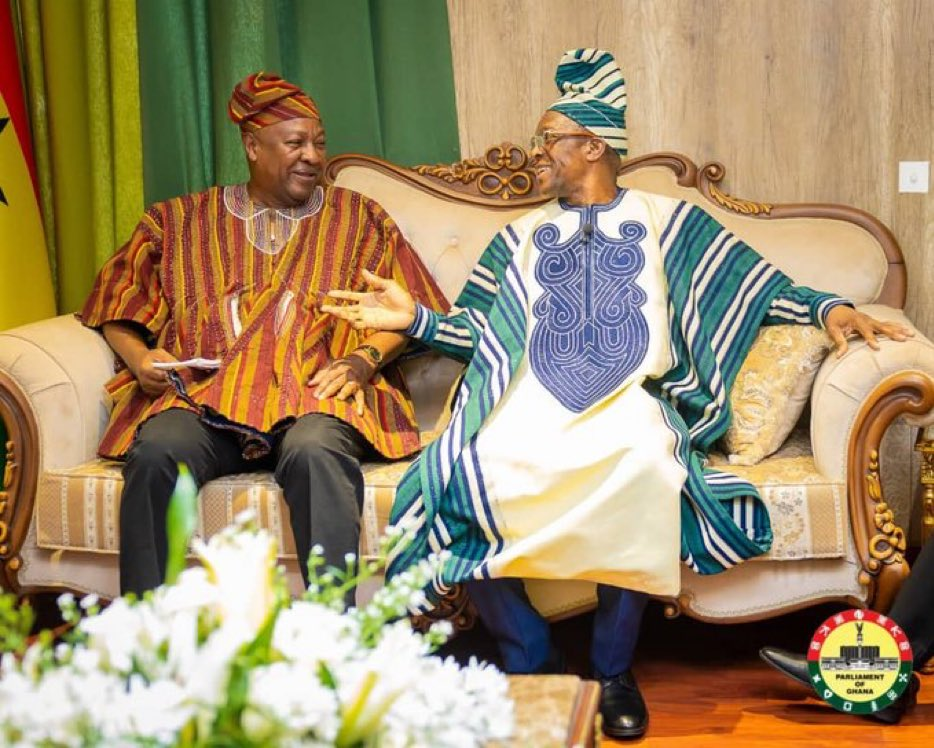
Communications
From the President, communication is important and under the rural telephone and digital inclusion project, implemented through Ghana Investment Fund for Electronic Communications (GIFEC), his government has extended voice and data connectivity to unserved and underserved communities, where government targeted the construction of 2,016 cell sites all over the unserved and underserved communities. In which, 1,500 out of this 2,016 cell sites have already been constructed, whiles 1,144 have also been activated; and that work is in process to activate the remaining 417 sites; as well as, preparations been underway to commence the construction of the remaining 455 sites.
He mentioned that under the school connectivity initiative, over 62,000 digital resources have been uploaded to the Ghana Knowledge and Skills Bank, enabling seamless access across multiple devices. That is, from Primary 6 to SHS, government is giving out free laptops, tablets and smartphones to more than 600,000 users including students, teachers and researchers.
Also he stated that as part of government Reset Agenda for Ghanaian Youth to acquire essential skills for modern global economy, his government launched the 1million Coders Program in March, 2025; an initiative aimed to train 1million Ghanaians in key data areas including data analytics, data protection, cyber security, the meta-verse and Artificial Intelligence (AI) over four years. According to the President, the phase one of this program at the pilot phase saw 100 of trainees complete their training programs in-person across four training centers that were established in Accra, Kumasi, Sunyani and Bolgatanga. Whilst phase two which will includes virtual sessions is set to commenced this year, with expanded training centers and an increase number of beneficiaries and a projection of 400,000 young Ghanaians will be trained this year, to build up the numbers to approach the 1million.
The Corruption Fight
Prez Mahama mentioned that the fight against corruption has remained a defining priority for his government and represents a central pillar of commitment to good governance, accountability and prudent management of public resources. He asserted that so far, his government had made progress through strengthening collaborations among law enforcement agencies, financial intelligence institutions and prosecutors and that, these efforts have led to initiation of criminal proceedings and assets for future, proceedings against some individuals and entities implicated in financial crimes against the state. He also affirmed his agreement with the sentiments of Ghanaians and said just during the last days of December 2025 for instance, EUROCO discovered more than GHS600million, which the office investigated 462 cases with 15 currently under prosecution and also the office has dismantled transnational car jackings syndicate and has recovered 29 luxury vehicles that were stolen. He stated empathetically that his government remains resolute not to tolerate corruption irrespective of status or political affiliations and that the Attorney General’s Office will continue to use both criminal prosecutions and non-conviction based assets recovering mechanisms to ensure that; stolen public resources are returned for national development.
He stated clearly that, majority of Ghanaians want government officials who abuse their public trust held to account or get prosecuted for their misconduct. However, previous leaders who governed under military regime or unconstitutionally were termed wicked or not using judicial means to punish culprits involved and therefore abusing their mandate. For that reason, he explained that the 1992 constitution was adopted and accepted by leaders and the general public to ensure that governance are in accordance with the Rule of Law; adding that on 7th January, 2025 when he resumed office, he swore an oath to the people of Ghana that he will uphold the 1992 Constitution and that is exactly what he is doing. This is because he as the President may also be impatient as Ghanaians to see justices done but, pace taking investigation must be conducted including the preparation of documents, filing of charges and the accused having their days in court, appealing of smallest point of law to higher courts. These processes are necessary because it will protect all against abuse or ill treatment of citizens and ensure that absolute punishments are meted out for only those guilty of offenses against the state, he said. In response to this, Prez Mahama quoted that the late President John Evans Atta Mills once said – “the wheels of justice grinds slowly but grinds exceedingly fine”. So he assured the people of Ghana that, he will certainly uphold the accountability of public office holders as promised.
Galamsey Menace
His Excellency addressed that illegal mining has continually become a threat to the country’s environment, water bodies, public health and national security. For that reason, in his administration, prosecution of persons engage in illegal mining activities has also intensified with the renewed focus on dismantling organized criminal networks, behind galamsey operations, rather than targeting only those doing the dirty works (the little fish or low level offenders). In these galamsey operations, Prez Mahama stated that there are actually “the fishes” who never gets caught, where in total, about 114 dockets involving 100 of accused persons are pending in various courts across the country, particularly in towns and villages that are prone to illegal mining. Also, he added that specialized prosecutorial teams have been deployed fast-track illegal mining cases and assurance of effective presentation of evidence to pursue the confiscation and forfeiture of equipment and proceeds are equally used in or derived from illegal mining.
Gender, Children and Social Protection
Prez Mahama addressed that his government will continue to ensure that gender equality and equity promotes the welfare of children’s rights and empower the vulnerable, aged and persons with disabilities for sustainable national development. Having said that, currently work is advanced on Women’s Development Bank, for which a total of GHS401million has been allocated in 2026 budget and that, in the coming months, there will be a full roll out of this monumental policy to empower Ghanaian women and women owned businesses economically and financially.
Following this, the Ministry of Gender, Children and Social Protection has also successfully honored all legacy leap payment cycles for 2025 and before; reaching 1.5million people and had also ensured the full implementation of Ghana’s school feeding programs in over 12,000 public schools across all the 261 districts of this country. Again, the number of beneficiary people under the school feeding program increased from 3,801,491 for the 2023 and 2024 academic year to 4,231,059 for the 2024 and 2025 academic year. This program somehow is providing employment to 34,000 caterers and cooks nationwide.
The Security Sector
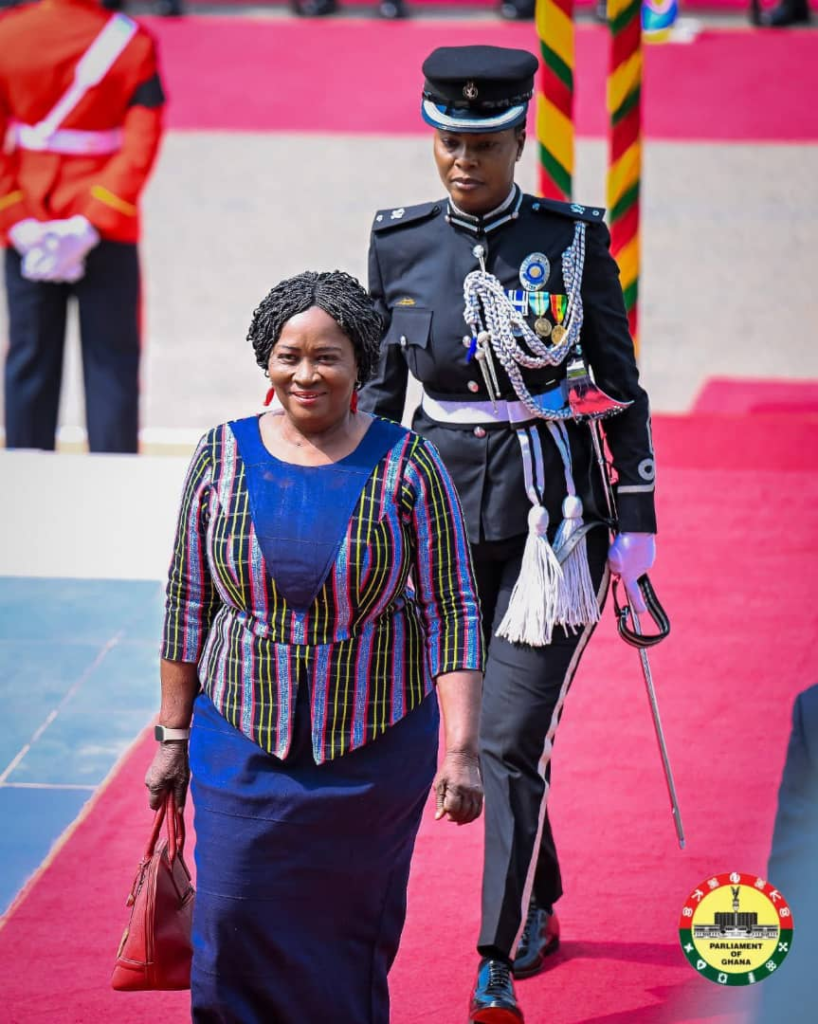
In the security sector, Prez Mahama mentioned that Ghana faces evolving security threats where the troops, services and agencies have however remained firmly committed to strengthen national peace and security which underpinned the country’s democracy, development and social cohesion. This commitment also encompasses internal security operations, international peace support missions, strategic investments in restructuring and retooling and improvements in troops welfare, recruitment and capacity development. This he mentioned are evident in the recent two incidents of the increasing dangers the country is facing where 8 Ghanaian traders who traveled to Burkina Faso to get tomatoes was attacked and killed by this Burkina Faso nationals as well as the attack on the Ghanaian fishermen in waters by pirates. As a result, it calls for reinforcement to retool and adequately equip Ghana’s security services to strengthen the country’s peace and stability. Notwithstanding, he used the opportunity to commend the Ghana Armed Forces, for conducting a successful medical evacuation on the injured compatriots from Burkina Faso incidence. Also, he appreciated the Ghana Navy, Chief of Staff Operations Teams, National Security Council Secretariat, staffs, chief fisherman etcetera, for the combined efforts in rescuing all the 71 fishermen who were attacked by pirates and extended appreciation to the National Security Coordinator for also assisting the affected fishermen by replacing their stolen outboard motors and fishing gears.
Meanwhile, he also stated that his government is committed to investing in vital defense infrastructure and retooling; where already, plans are in the process of constructing a forward operating based Act Ezinlibo situated along the western maritime corridor; and this facility is aimed to boost maritime surveillance and to better protect offshore oil and gas installations. Again, the Northern border security project initiated to counter terrorism and transnational crimes is also advancing decisively, where this project has also constituted the first line of defense against any infiltration and extremist stress coming from the Sahel, to significantly strengthen the surveillance of the Northern border. Also, plans are well advanced to established 2 new military barracks in Ajumako in the Central region and Dambai in the Oti Region, to address emerging security concerns and strengthened the presence of the state in these areas.
On the aspect of retooling efforts, he stated that agreements have been signed to procure and deliver 4 brand new Helicopters and One Jet for the Ghana Armed Forces, which is aimed at replacing the aging fleet and modernizing air capabilities. With this in process, Ghana Armed forces is currently carrying out a thorough over hall of previously grounded aircraft, which involves replacing essential components and bringing them back into service, aimed to quickly restore their operational readiness to enhance mobility and boost troop morale.
The Ghana Police Service on the other hand, has also received 40 armored vehicles, pickup tracks, protective gears, ammunitions, strategic drones and an advanced communication systems to also enhance their operational capabilities. Not forgetting that human capital development will also be prioritized with the security sector.
International Relations
Prez Mahama addressed that Ghana’s foreign policy remains a central instrument for advancing national development for safeguarding sovereignty and projecting values on the global stage. At the time when global developments is characterized by profound geopolitical shift, economic uncertainty, climate related challenges and evolving security concerns within the sub-regions, he explained that, government took deliberate steps to ensure Ghana’s engagement to the world is purposeful, strategic and responsive to the needs of the people. In this regard, the Ministry of Foreign Affairs (the architect of international relations), stepped up its efforts to align Ghana’s external relations with domestic development priorities. For instance in West Africa, Ghana continued to pursue a policy of good neighborliness, solidarity constructive cooperation with all countries in the sub-region. Ghana always remains firmly committed to the vision of a peaceful, stable, prosperous and integrated West Africa grounded in mutual respect, dialogue and collective responsibility particularly on the issues of other countries withdrawal from the Economic Community of West African State (ECOWAS).
Furthermore, he said, following the withdrawal from ECOWAS by other countries, Ghana still believe that continued dialogue and cooperation are indispensable to regional stability and that disengagement only deepens or breeds collective vulnerabilities. At the Continental level for instance, Ghana continue to play an active principled and forward looking role in advancing the African Union’s strategic priorities, making Ghana to hold the following prestigious positions:
- AU Champions on Reparations
- AU Champions for Africans Financial Institutions and
- AU Champion for Gender Equality and Women’s Empowerment
Additionally, the President said he was also elected as the first Vice Chairperson for the African Union at the 39th Ordinary Session AU Assemblies of Heads of State in Governments held recently in Addis Ababa – Ethiopia; and noted that his colleague leaders in West Africa has also declared him unopposed as a sole candidate for the position of Chairperson of the African Union when rotating chairmanship returns to West Africa in 2027.
Moreover, he informed that during the 80th Session of the UN General Assembly, Ghana’s voice was raised in the call for a comprehensive Reset of the United Nations to better reflect the current realities and particularly the role of Africa in global governance and fairness in international financial systems. In line with these multilateral commitments, Ghana announced plans to table a United Nations Resolution that recognizes the Trans-Atlantic Slave Trade as the gravest crime against humanity and promoting an agenda of acknowledgement, reparative justice and cultural restitution.
Passport
According to the President, passport has never been easy to acquire until his regime; where MoFA has established 7 new passport application centers in Upper East, Oti, Ahafo, Bono East, North East, Savannah and the Western North Regions. With this expansion, all 16 regional capitals currently hold passport application centers, marking a major milestone in the decentralization of passport services. To also address systemic delays, MoFA implemented the 24-hour passport production operations at the Head Office, and has enabled the clearance of an inherited backlog of over 40,000 passport applications. As a result of these reforms, Ghana’s passport administration now operates with zero backlog and has a guaranteed passport delivery, within 15 working days.
On the aspect of facilitating travels, boost tourisms and ease business mobility, MoFA implemented a 5-day visa processing service across all Ghana’s missions abroad (that is, anyone who applies for a Visa, will get it within 5 days). Concurrently, significant progress has also been made in the design and procurement face of national E-Visa platform with a targeted roll out plan for 2026 (that is if one applies for Visa online, the Visa will be approved online without going to the Embassy to apply).
Ghana has also secured new visa weaver agreement with 11 countries to facilitate people to people exchange without necessarily having a passport or going through the application of visa acquisition. Ghana in also maintaining international solidarity; had made donations to Jamaica, Cuba, Sudan and Palestine to support disaster relief and conflict related crisis, and these donations have amounted to millions of CEDIS including food, medicine, clothing, cocoa products, blankets, mattresses and plastic buckets. Remittances from Ghanaians in the diaspora also reached a historic high of 7.8billion dollars in 2025; making it the largest annual inflow ever recorded in Ghana’s history. It also reflects not only confidence in Ghana’s economy but the enduring patriotism of citizens leaving and working abroad. These remittances been brought back home, supports households to finance education, build houses, provides capital for businesses and also stabilize the foreign exchange position, said the President.
The Adwumawura Programme
Prez Mahama asserted that Youth Development and Empowerment are part of his core mandate he really wants to achieve, where he mentioned that, currently, his government is implementing numerous policies to develop and improve youths’ capacities as well as creating numerous jobs to address the major unemployment problems. He stated that all Youth activities and job creation programs are ongoing and in 2025, 10,887 young people were trained in entrepreneurship programs and job creation under the Adwumawura Programme; and in 2026 also, an additional 10,000 young people have received similar support under the programme.
He reiterated that the National Apprenticeship programme also uncovered 14,000 young apprentices during the pilot phase and has also started receiving their start-up kicks after passing out successfully. Training is also ongoing across the regions and when completed, the trainees will be certified by the Commission for TVET to facilitate their access to employment. Also this year the target for the National Apprenticeship Programme has increased from 10,000 to 100,000 young people; offering many more young people the opportunity to acquire the skills needed for sustainable developments, he said.
Youth Employment Agency
Prez Mahama mentioned that in 2025, 86,000 young people were engaged through the Youth Employment Agency (YEA), through the various modules under this Agency. Asserting that this year he has already directed the Ministry of Youth Development and Empowerment as a matter of urgency to review all the employment modules under the YEA to reduce duplication and ensure value for money as this is important to help in channeling resources to the advantage of the teaming youth waiting for opportunity.
National Service Authority
Prez Mahama informed that the NSA has signed MoU (Memorandum of Understanding) with the Ministry of Defense to commence military training for 10,000 national service personnel in the 2025/2026 service year. That is to say, the personnel will receive call outs to reports at various military centers for training. Mentioning that this was a programme initiated by the late Defense Minister – Dr. Edward Omane Boamah, who was desirous of seeing it to full execution. Therefore, he encouraged and charged the NSA and Ghana Armed Forces to ensure to bring to light this exercise for the benefits of the personnel and training of these young people.
Trade and Agri-Business
Under trade and Agri-Business, Prez Mahama explained that his government has launched a wide range of initiatives aimed at transforming Ghana’s trade and Agri-Business and industrial sectors to boost other competitiveness in the export market, encourage value addition and to generate employment for Ghana’s large youth population. He stated that, his recent visit with the Minister for trade and Agri-Business and Industry – Elizabeth Ofosu-Adjare to inaugurate new factories and initiate expansion works on factories has convinced him that Ghana is on the right track for industrial transformation; and added that the Ministry had even already began implementing policies in the areas of textiles and government manufacturing, pharmaceuticals, and vaccine manufacturing, automotive and components manufacturing, contract farming and agro-processing. As a matter of fact, the first step of these policies is to collaborate with private sectors to establish three (3) new Garment factories in Eastern Region, Central Region and Bono East Region. This he said will create an estimated 27,000 jobs for the Ghanaian people.
Also, he addressed that his government will ensure to fulfill its commitment to revive key state-owned enterprises whereby, the ministry is already in the process of sourcing strategic investors to operationalize the Volta Star Textile Factory, the Komenda Sugar Factory, the Pwalugu Tomatoe Factory, the Zuarungu Meat factory and the Akosombo Textiles Limited. He further explained that, Ghana’s Non-Traditional Export recorded a 27.04% growth into 2025 with total endings of USD 4.87billion up from USD3.83billion in 2024; and this reflect a very early impact of the accelerated export development program that was launched only last year and also demonstrate the continuous, resilience and expanding contribution of the Non-Traditional Export Sector to Ghana’s Export Economy.
Mining Sector
The President stated that mining remains Ghana’s corner stone for economic development, making substantial contributions to employment creation, export earnings and government revenue. Also, according to even Ghana’s Statistical Service (GSS), Mining and Quarrying Sub-Sector accounted for 17.4% of the overall 33.8% of industries’ share of Gross Domestic Product (GDP) in 2025; which means mining remains the leading contributor, within the industrial sector.
He explained that the Mining sector generated export earnings of approximately USD15.25billion accounting for 65.37% of Ghana’s total export receipts out of a total USD 23.3billion. The abolishing of Value Added Tax (VAT) on mineral exploration activities is also expected to significantly reduce upfront course for investors, improve projects economics and stimulate increase grace field and brown field explorations across the country, he said.
Ministry of Lands and Natural Resources
His Excellency informed that the fight against galamsey remains complex and demands a multi-dimensional response; that will integrate strong enforcement and an application of technologies, sound regulation and active community participation to end the menace. As a matter of fact, he informed that the Ministry of Lands and Natural Resources in collaboration with the Ministry of Transport, Ghana Revenue Authority and Ministry of Finance, has registered 1,808 pieces of air moving equipment at the ports of 1,033 to have been fitted with trackers and are been tracked. Also, the protection of water bodies and forest reserves are ongoing with deployment of 1,634 blue water guards across Western, Western North, Savannah, Upper West, Bono, Eastern, Ashanti, Central, Volta and Northern regions; and this nationwide deployment according to the President, aimed to surveillance, improve rapid response and enhance grounds enforcement against illegal mining activities that threatens health, critical water bodies, forest ecosystems and livelihoods.
Notwithstanding, he stated that flooding has also remained a major infrastructure challenge in Ghana and also a top priority for his government. As such, he has directed the taskforce for flooding to coordinate national mitigation efforts against flooding. However, the country still grabble with housing deficits, which is currently estimated at over 1.8million units but some significant strides have been made in the Housing sector and in line with government earlier commitments to complete all ongoing housing initiatives, his government has successfully concluded the Joint-Venture Arrangement which was inherited for the completion of the Saglemi Housing Project. At the moment, the Attorney General is also reviewing all related documentation to finalize and commence the project. When these projects are completed, it will increase the number of Housing stock already available, said the President.
Works, Housing and Water Resources
Under this ministry, His Excellency mentioned that the TDC (Tema Development Corporation) in Ghana is also steadily advancing work on 800 housing units, under the Akpone Affordable Housing Projects at Tema Community 26. He addressed that the position TDC in Ghana at Tema in which he even cut sod for it last year in Ho, called the “Oxygen City Housing Project”, specifically plays as a Ghana Housing Industry, is basically, to seek Ghana’s Housing Deficit by developing 1000 affordable Housing Units for community members. During the course of this, resettlement Housing efforts were also made for victims of the Akosombo Dam Spillage; with 251 of the planned 1,010 Housing Units in critical housing zones, already under construction. Collectively, this initiative demonstrate government continuous resolve to expand access to affordable housing, strengthening urban planning and also providing relief to affected communities, he said.
On the part of renewable water resources, His Excellency – John Dramani Mahama also addressed that they are estimated to about 54billion cubic meters with over 70% derived from the Volta River, which are also been shared among 6 riparian nations and therefore, government is implementing key interventions to expand and improve water services nationwide. So the following are urban supply water projects being at various stages of completion at the moment:
- The Keta Water West
- The Wenchi Water Supply Project
- Sekondi-Takoradi Water Supply Project
- Anyako Water Supply Project. A community which will also have good drinking water when Community Water and Sanitation Agency commissions its project next week to serve Island communities on Server, as well.
- Preparation of Water projects – A project which will also begin at Damongo and Sunyani Water Supply Expansion Projects.
- Finally, all water supply projects will be completed in Tamale, Yendi, Techiman and Tarkwa, he informed.
Following, the President stated that the Danish government has also allocated grant support to improve water supply services in low-income and high-income density areas especially; in Wa and Bolgatanga, which are aimed to address water challenges and to provide relief to vulnerable populations. Also, Sankregua, Sefwi-Wiaso, Duadaso, Kweiman-Danfa, Goso, Juaben, Aveyime and Adum Banso are also ongoing water supply projects, said John Dramani Mahama.
Ministry of Finance
According to the President, to strictly follow the Resetting Agenda and secure sufficient funding, the Ministry of Finance has allocated GHS6.3billion to the District Assemblies Common Funds. In which this amount covers four quarters of the 2025 fiscal year and has been allocated to all 261 Metropolitan Municipal and District Assemblies to enable them execute their activities that are outlined in the medium term development plans and annual action plans.
Out of this aforementioned amount released, Prez Mahama said a total of GHS4.3billion has also been dispersed to all MMDAs and the fourth quarter installment is also been processed and will soon be dispersed, as well.
Again, in fulfillment of government commitment to strengthen Local Governance and Decentralization, he stated that the Ministry for the first time in the history of Local Governance has dispersed a total of GHS100million in monthly allowances to all Assembly members. The Ministry of Local Government, Chieftaincy and Religious Affairs have also finalized designs for the new 24Hour Economy modern markets to be constructed in all MMDAs; and procurement processes are far advanced to commence the construction of these markets and soon, all the Districts will have 24Hour Markets Operational, he said.
Tourism and Creative Arts Center
Under this institution, he mentioned that Tourism and Creative Arts Center has also offered a lot including; creative using of the new media to give the nation – Ghana, a greater prominence, than the country could have achieved through any first class traditional media outlets. From the President, the economy must not only be built by traditional sectors but built through human creativity sectors that can absorb people who will be displaced from the shop floor by the new AI (Artificial Intelligence) technologies that are been rolled out.
Nevertheless, the President mentioned that Ghana has also become a favorite tourist destination due to the country’s history, culture, arts, music, fashion and food; which one way or the other has encouraged him to allocate GHS20million to film sector alone; and to support them including Kumahood, Ghallyhood etcetera. In which, another GHS20million has also been given to other creative sectors and all these monies are to bolster their creativity.
In line with new national efforts to bring events and conferences to Ghana, he also informed that, there would be refurbishment of Accra International Conference Center to restore it to its iconic past as the country’s national and international event and conference venue. Already, the original contractors of the center – Energoprojekt Ghana Limited, has conducted a structural integrity assessment at the request of the Office of Chief of Staff and made recommendations for the facility’s renovation a refurbishment. This work will commence in the next few weeks to come; he said.
Sports
On the part of sports, His Excellency said this year, Ghana’s standing will be strengthened in the major global and continental sporting events; where the country will make its fifth FIFA WORLD CUP appearance, again. As a result, he advised all to use the opportunity to boost the country’s national branding and the economy beyond just sports.
He added that supporters and other nationals interested in going to support the Team, must submit their Visas Request to the American Embassy and should do well to return on the Visas as expected or required to prevent the country from been added to the ban list, again.
With the BLACK QUEENS, he informed that they will compete at the 2026 Women’s African Cup of Nations through building of their Bronze medal finish in Morocco. Meanwhile, at the Youth levels, Ghana will also participate in Youth Olympics games in Dakar (Senegal) with a multidisciplinary team aimed at strengthening long term of a lead part ways. Ghana will also compete at the Commonwealth Games 2026 in Glasgow, which will eventually create reinforcement of Ghana’s presence, across the Commonwealth sporting landscape, he said.
Ghana Journalist Association
As a member of the Journalist Association, he expressed deep concerns about the abuses suffered by Journalists at hands of Errand Security Personnel. In which, he addressed that there is a directive to their leadership of security agencies to take firm actions and re-amend on the need to contain Journalists; who are only doing their jobs of keeping citizens informed.
He also expressed concerns about State-owned media after touring these media houses; which most got him informed to have suffered from historical underfunding and grappling with deteriorated infrastructure facilities as well as learning about their challenges at first hand. At the moment, he informed that his government is putting together a revitalization plan to leverage their valuable assets and re-injects life into their operations. Also, he informed all that the reintroduction of the media development fund is being reconsidered to support the Ghanaian media
Conclusion
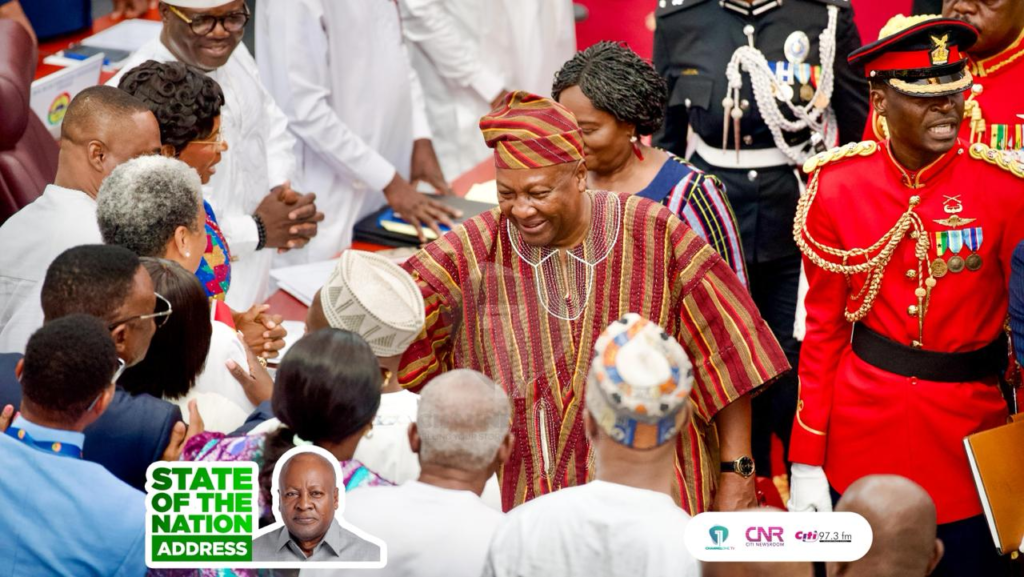
In conclusion, he reminisced his trip to Zambia and what the United Ghana achieved at the global stage; as a result of a simple mislabeling of Ghana’s culture (Fashion), which have increased the country’s dignity and had made it to rather move with speed and confidence to correct the record by turning what was supposed to be ridicule into rich and turned confusion into connection. As a matter of fact, what was thought to be a negative social media trend; turned into handshake of friendship with Zambians; and explained that this trend didn’t only remained on the socials, but had served a greater purpose and showed a nation that understands brand equity, a nation that showed citizens aligned around common identity, a nation that showed a country who knows whom they are and refused to be defined by others.
According to the President, unity in moments of cultural prides has proved easier than unity in moments of political disagreement. Therefore, if nationals can mobilize that same collective resolve for development agenda, real progress will be seen. Stating that, such mobilization too, is possible because Ghana is a descendant of people who are united against political segregation, resisted economic exploitation and fought colonial oppression. As a matter of fact, the country’s pursuit of national development today, demands that same unity of purpose and all must reject misrepresentation and distortion that detracts the country from collective progress. The country and its nationals must guard their development as firmly as they guard their cultural identity and act as one people with one purpose.
He stated that in public life, there is a simple maxim all are familiar with, of which says – “The buck stops with the President”, in other words “all decisions, actions and mistakes or blames of the Executive Branch, cannot be passed to subordinates and staff, other than the President”, or better still, “the ultimate responsibility for the direction of this nation, rest with the office of the President”, which according to him, is the truth and he will never shirk that responsibility or duty.
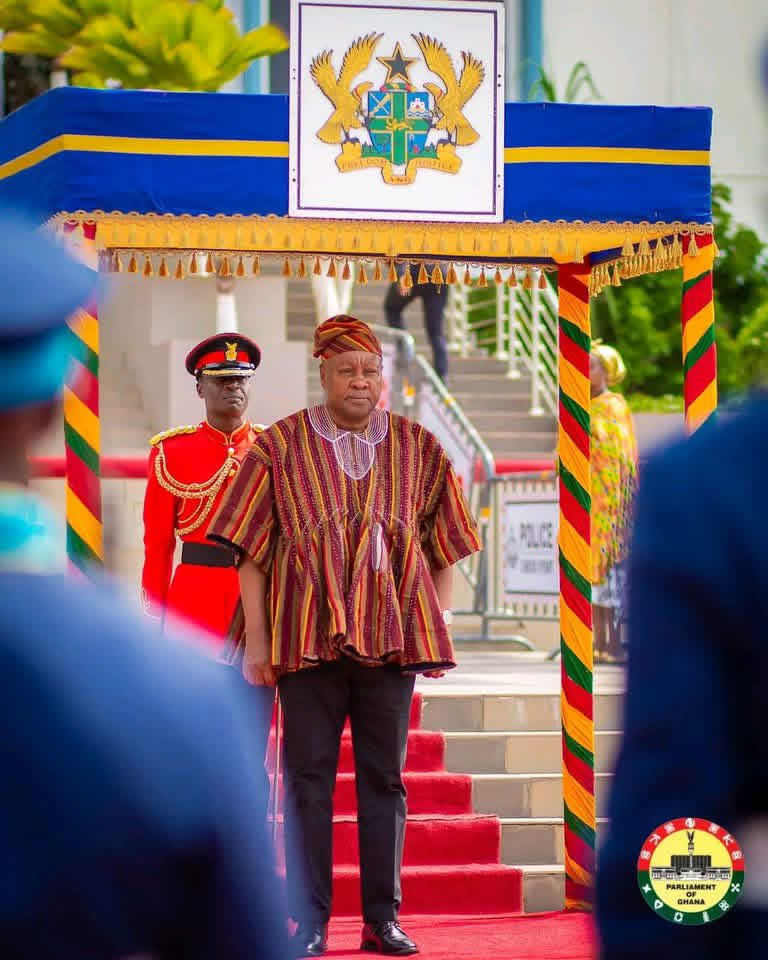
However, he added that nation building is not merely a question of who provides strategic direction or who bears the final responsibility, but a long chain of efforts that carries intent into reality, from policy conception to laws and acted, to resources mobilized, to services delivered, to value created on farms, in workshops, in classrooms, in markets and in enterprises across the lands. It is here that the strength of a people reveals itself; infact, it is in the countless acts of competence, integrity and industry by citizens of every calling, whose works turns national purpose into lived reality. Also, whilst the “buck may stop with him”, the work of nation building goes beyond that, because, it goes through labor, enterprise and civic spirit of millions of Ghanaians, whose daily efforts gives policy life. “I will continue to carry the weight of final accountability but will ask in equal measure that citizens also bring their full measure of energy skills and patriotism to the common task of advancing the country”, said the President.